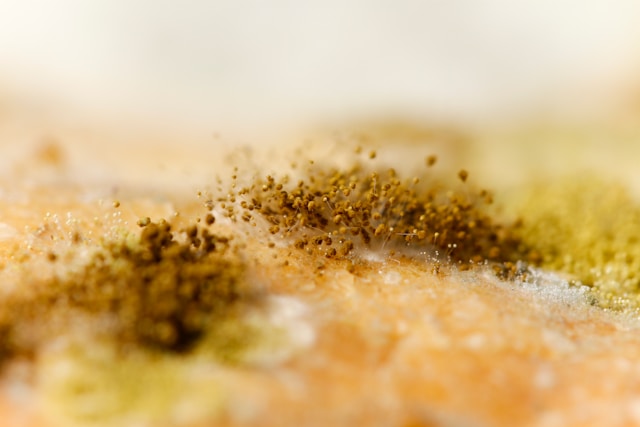
8 Mold Removal Situations That Can Start in Places You Rarely Think to Check
Mold rarely announces itself. By the time you see it creeping across a wall or smell that unmistakable musty odor,
Mold rarely announces itself. By the time you see it creeping across a wall or smell that unmistakable musty odor,
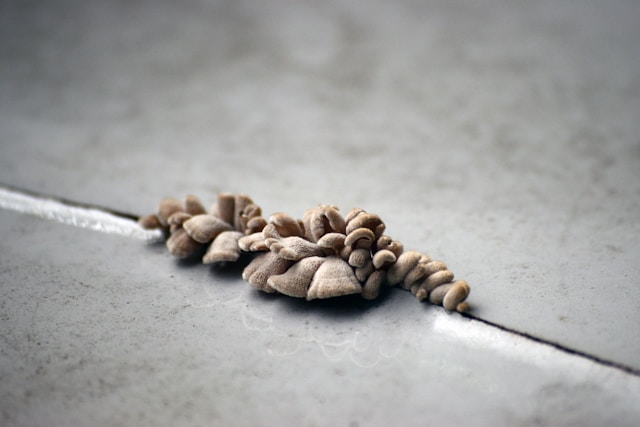
Quick answer: After a water leak, high humidity, or poor ventilation, check for mold in ten key spots: behind walls,
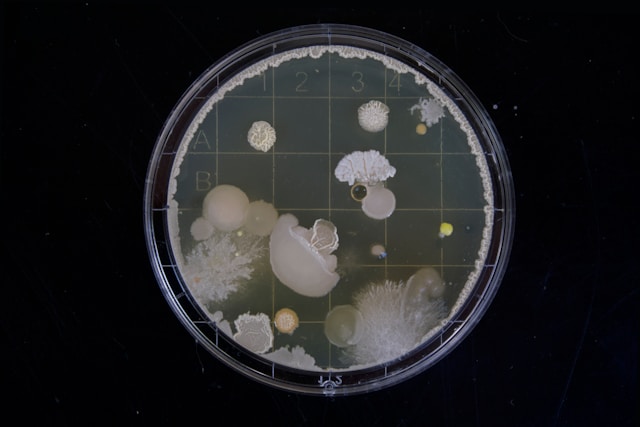
Quick answer: Before you treat recurring mold, check for hidden moisture sources, poor ventilation, plumbing leaks, humidity levels above 60%,
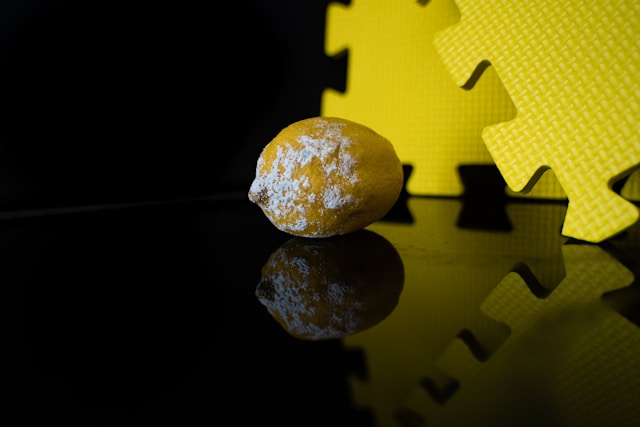
Quick answer: After water damage, act within 24–48 hours to stop mold from spreading. Ensure your safety, stop the water
Quick answer: If mold keeps returning after removal, the root cause—usually a hidden moisture source—was never fixed. Before hiring anyone
Quick answer: When mold keeps coming back, the fix isn’t just scrubbing walls. Property owners should prioritize (1) finding and
Quick answer: When dampness lingers in your home, mold often hides in 11 key areas: bathrooms, kitchens, basements, attics, HVAC
TL;DR: Visible mold on walls is only part of the problem. Mold colonies grow inside wall cavities, behind drywall, beneath
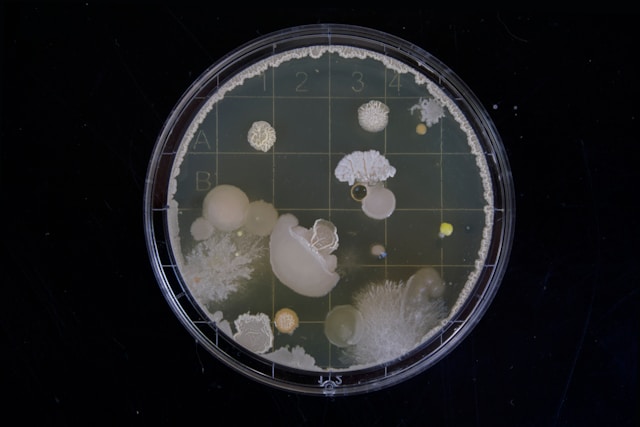
TL;DR: Removing visible mold without addressing the underlying moisture source guarantees regrowth. Effective mold removal requires identifying and eliminating the
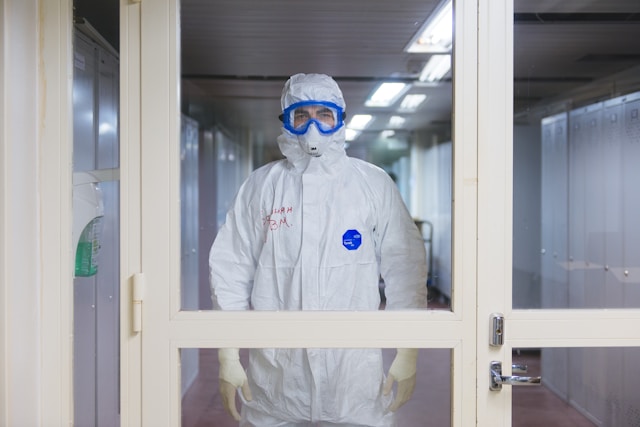
TL;DR: Mold removal fails when the underlying moisture source goes undetected. Even professional-grade remediation cannot prevent mold from returning if