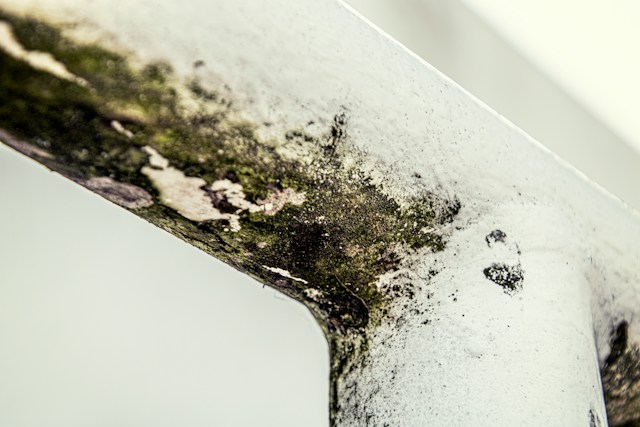
How Do You Remove Mold From Wooden Furniture?
Quick answer: To remove mold from wooden furniture, isolate the piece outdoors or in a ventilated area, vacuum loose spores
Quick answer: To remove mold from wooden furniture, isolate the piece outdoors or in a ventilated area, vacuum loose spores
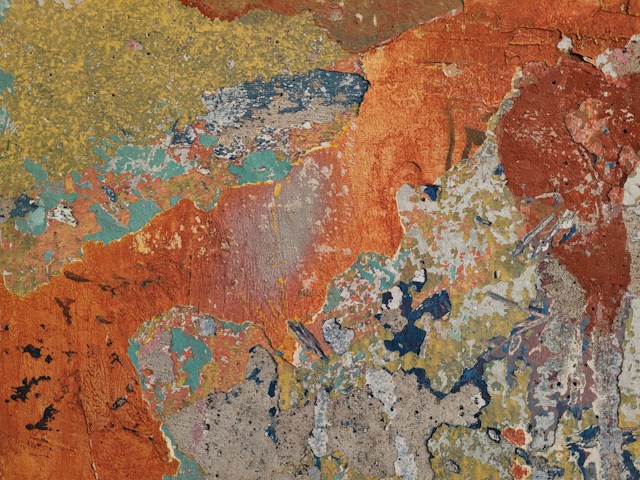
Quick answer: Peeling paint is almost always a sign of moisture trapped between the wall surface and the paint layer.
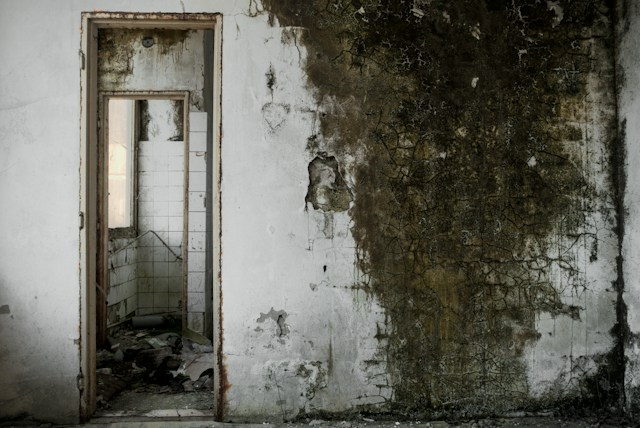
Quick answer: Black mold in an HDB bathroom can trigger allergies, respiratory irritation, and worsen asthma, especially in Singapore’s humid
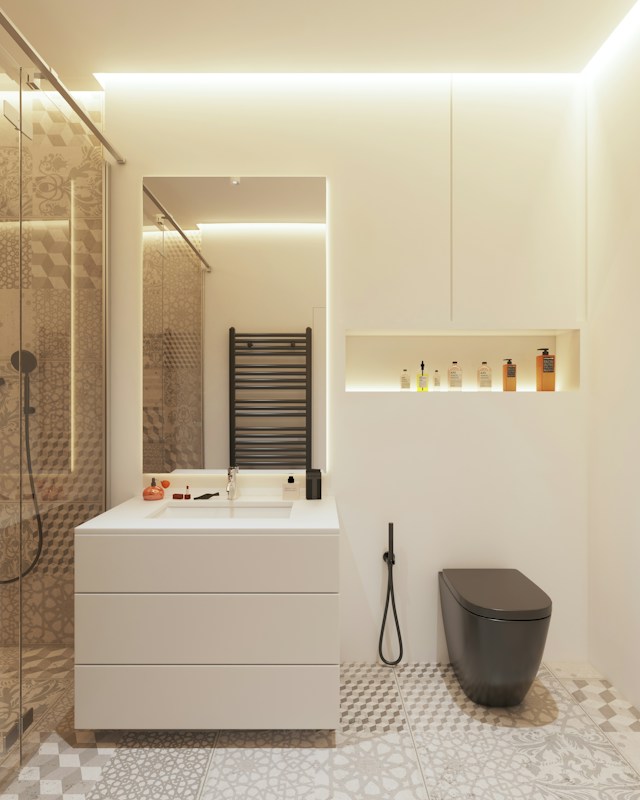
TL;DR: Mold grows on bathroom grout because grout is porous, moisture-retaining, and rarely dries completely between showers. Warm, humid air
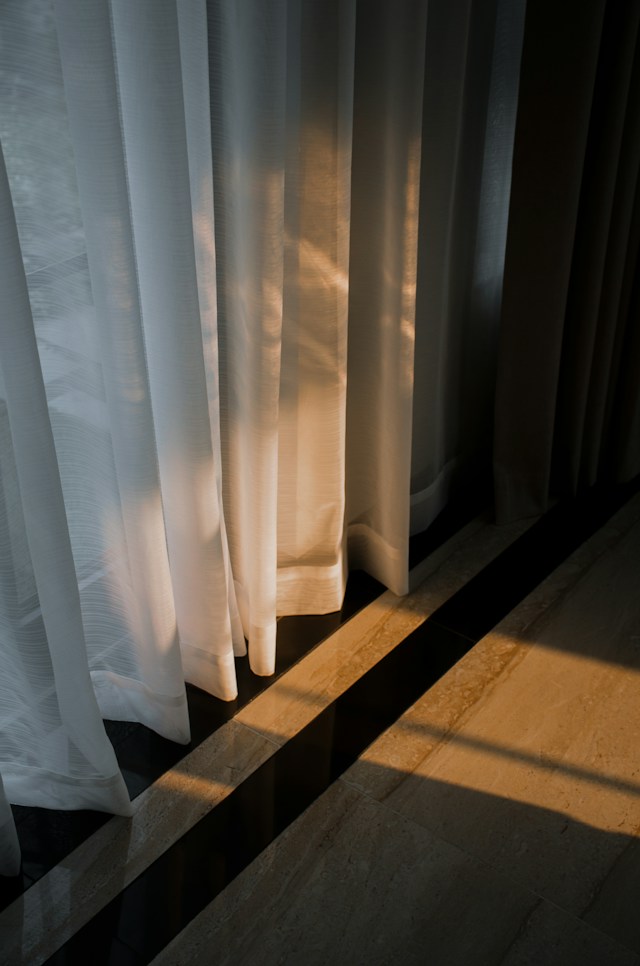
Quick answer: Mold grows on the back of curtains because that surface stays damp, dark, and poorly ventilated, which are
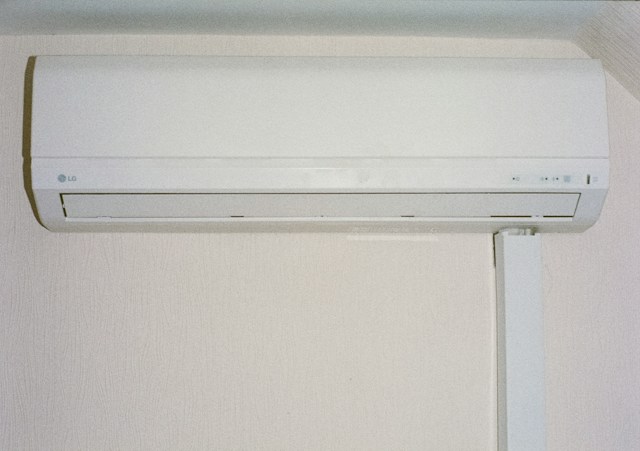
Quick answer: Mold grows around air-conditioning vents because cool air meeting warm, humid indoor air creates condensation on vent covers
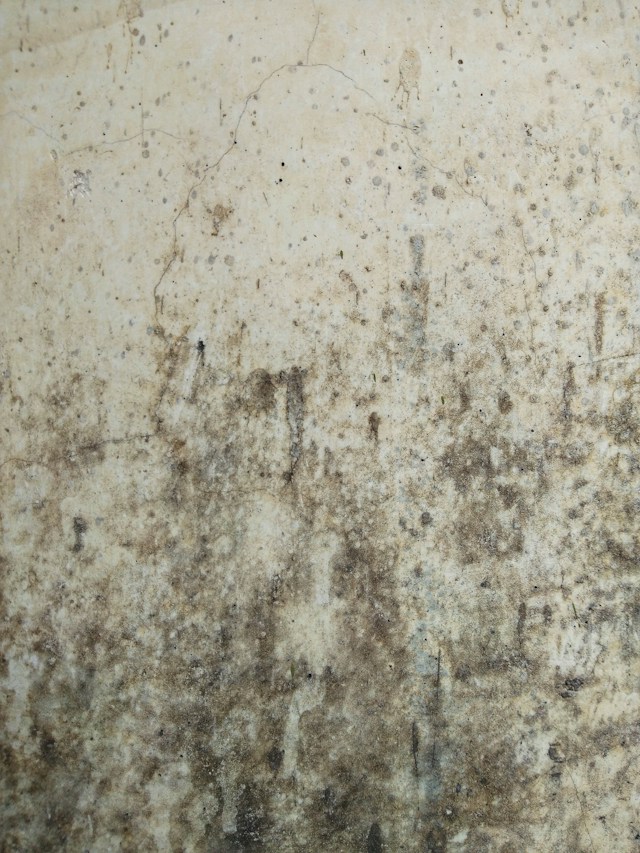
Quick answer: Condensation mold usually appears as light, patchy spots on cold surfaces like exterior walls, windows, or bathroom ceilings,
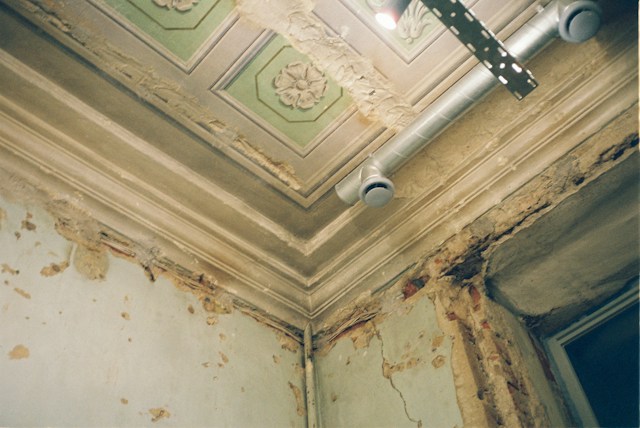
Quick answer: After a heavy rainstorm, check for mold on walls, ceilings, carpets, baseboards, and around windows within 24 to
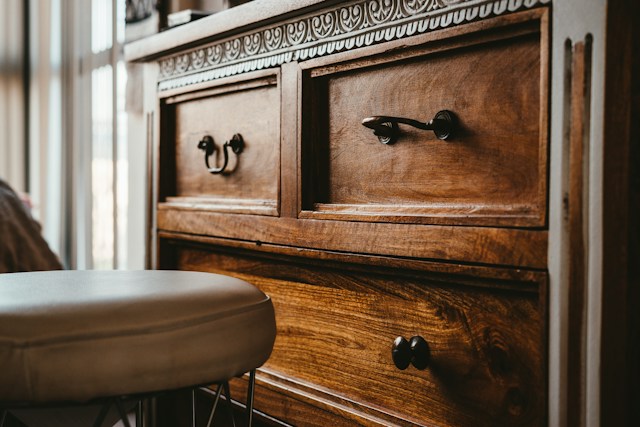
TL;DR: Mold grows behind furniture pushed against walls because the furniture blocks airflow and traps moisture, creating a cold, damp,
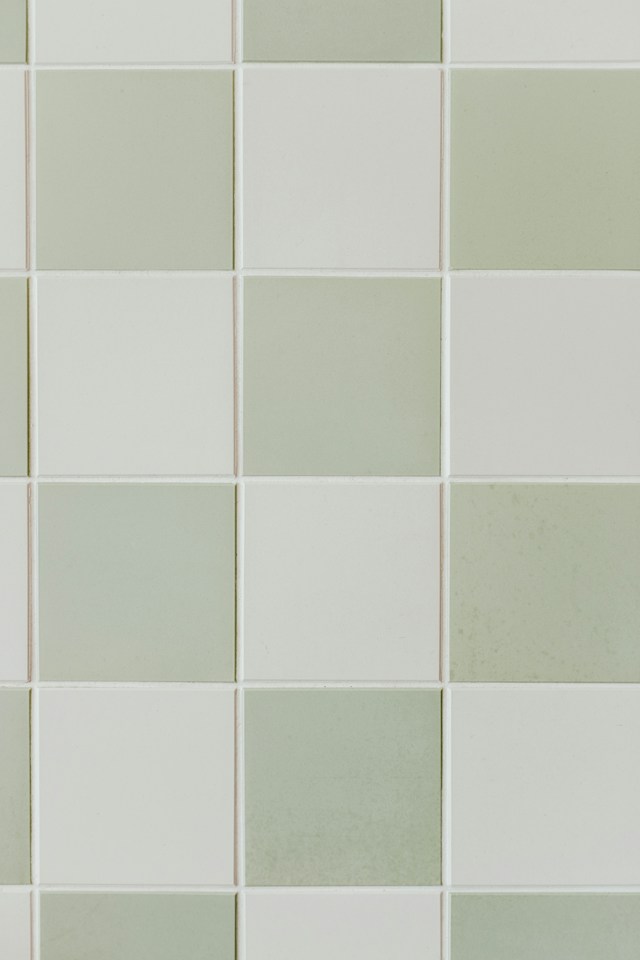
Quick answer: Mold keeps returning along bathroom tile edges because grout and caulk are porous, trap moisture, and provide organic