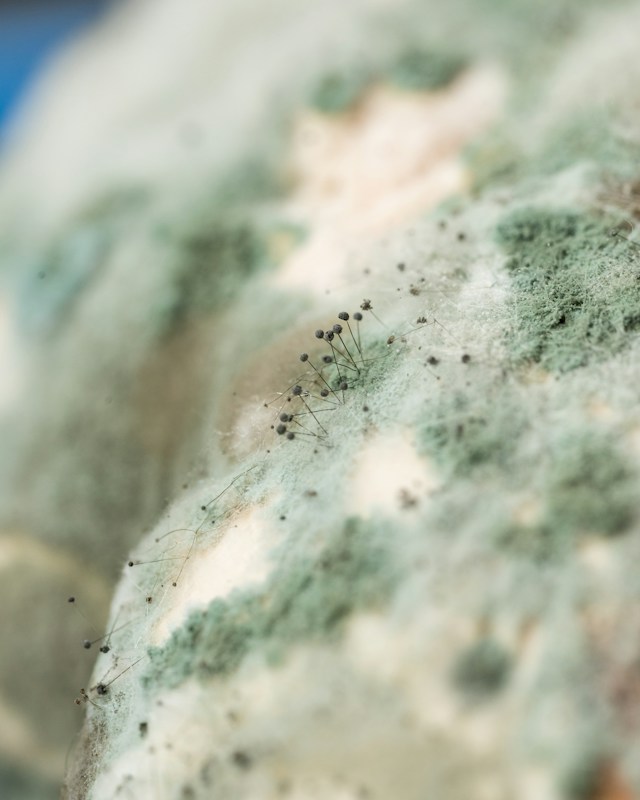
9 Mold Removal Clues That Can Reveal Where Excess Moisture Is Coming From
Quick answer: Mold rarely shows up without a reason. The color, location, shape, and smell of mold growth often point […]
Quick answer: Mold rarely shows up without a reason. The color, location, shape, and smell of mold growth often point […]
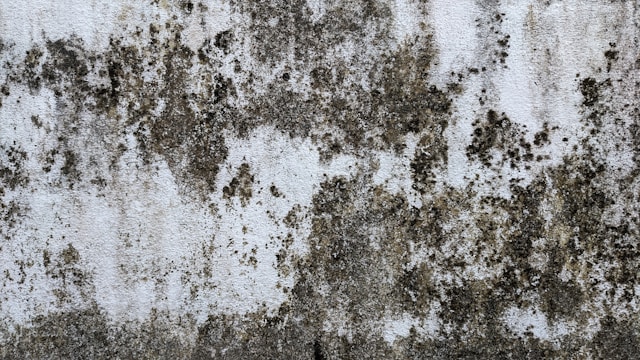
Quick answer: Effective mold removal goes beyond wiping away a visible patch. It requires identifying the moisture source, assessing hidden
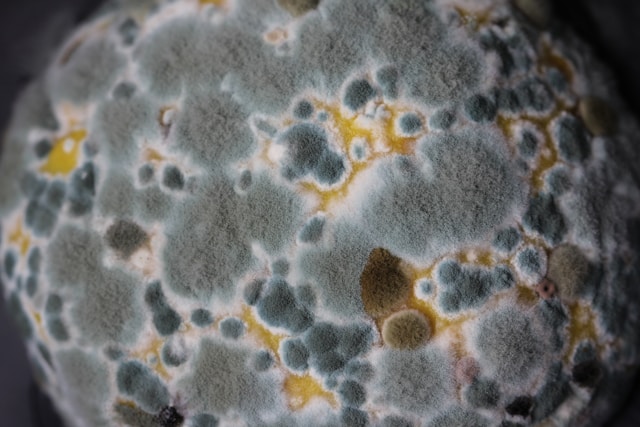
Quick answer: Persistent musty odors usually mean mold is growing somewhere out of sight, not in the areas people typically
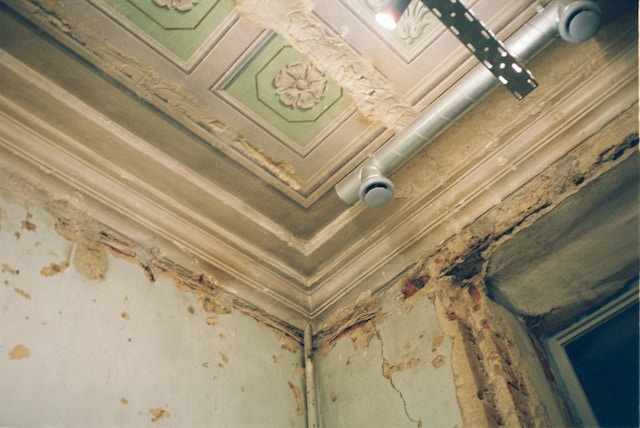
Quick answer: The most common mold removal mistakes include cleaning visible mold without fixing the underlying moisture source, using bleach
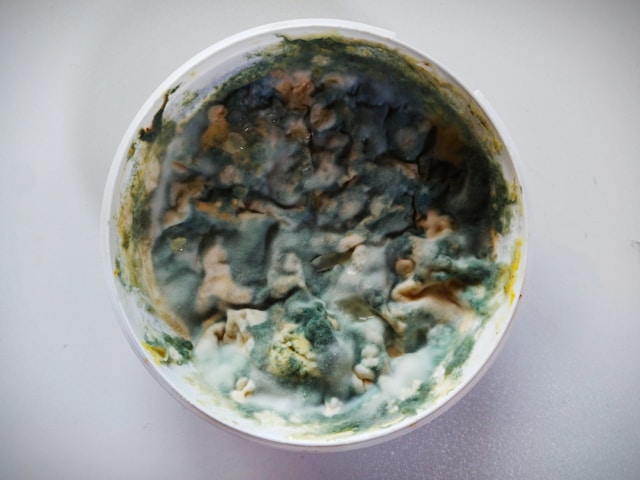
Mold on a wall or ceiling is easy to dismiss as a surface issue—something a scrub brush and a bottle
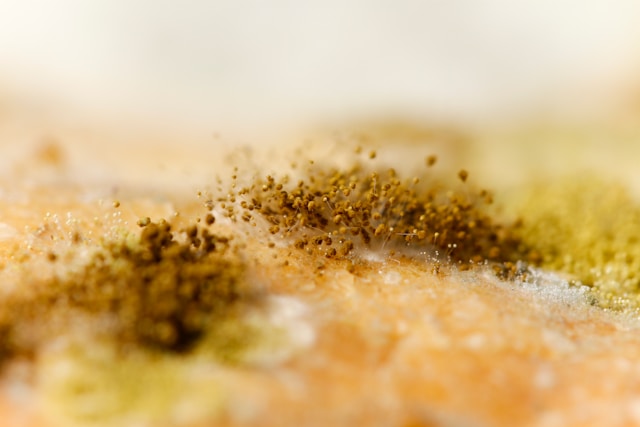
Mold rarely announces itself. By the time you see it creeping across a wall or smell that unmistakable musty odor,
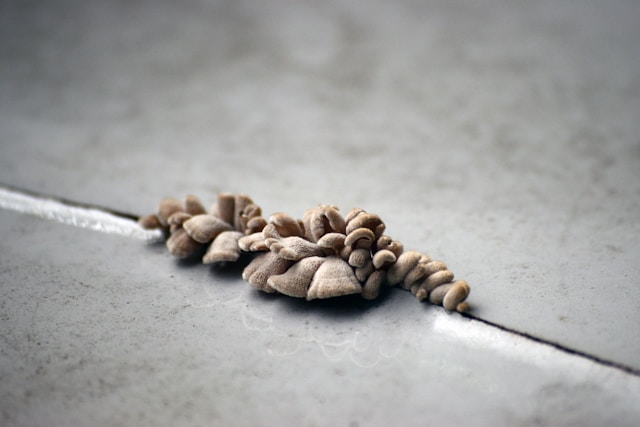
Quick answer: After a water leak, high humidity, or poor ventilation, check for mold in ten key spots: behind walls,

Quick answer: Before you treat recurring mold, check for hidden moisture sources, poor ventilation, plumbing leaks, humidity levels above 60%,
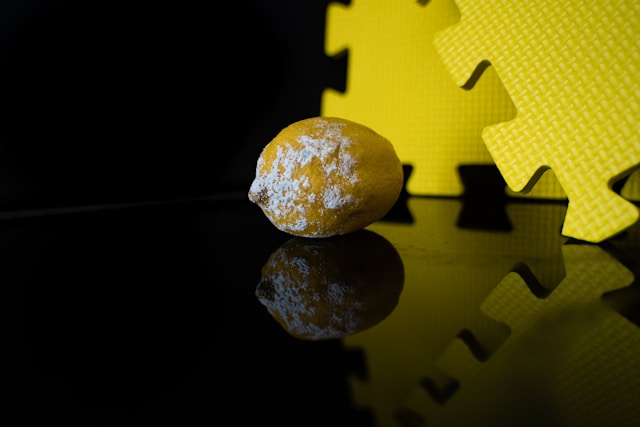
Quick answer: After water damage, act within 24–48 hours to stop mold from spreading. Ensure your safety, stop the water
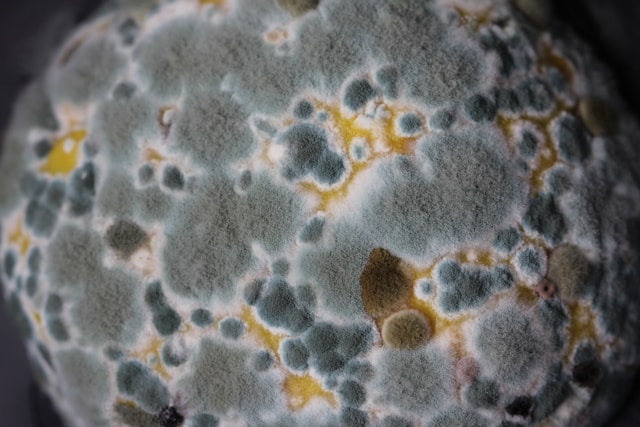
Quick answer: If mold keeps returning after removal, the root cause—usually a hidden moisture source—was never fixed. Before hiring anyone