Mold Removal in Condominiums: Common Causes and What Residents Can Do
TL;DR: Mold in condominiums typically results from poor ventilation, water intrusion, and high humidity levels. Residents can address minor mold […]
TL;DR: Mold in condominiums typically results from poor ventilation, water intrusion, and high humidity levels. Residents can address minor mold […]
TL;DR: Mold discovered during a home sale can derail deals, reduce property value, and shake buyer confidence. Addressing mold problems
TL;DR: Mold can develop in newly renovated spaces due to trapped construction moisture, inadequate ventilation, and organic building materials. Preventing
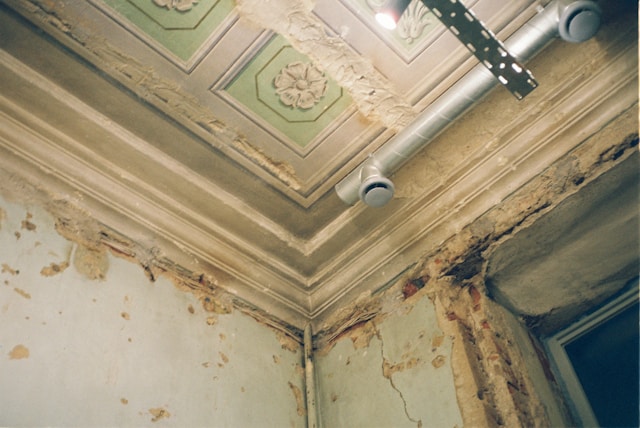
TL;DR: Mold in commercial buildings poses serious health, legal, and structural risks. Facility managers should act quickly at the first
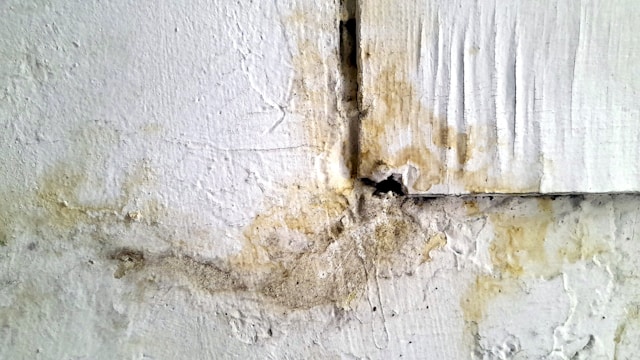
Quick answer: Yes, mold removal can significantly improve indoor air quality. Mold releases spores and mycotoxins into the air that
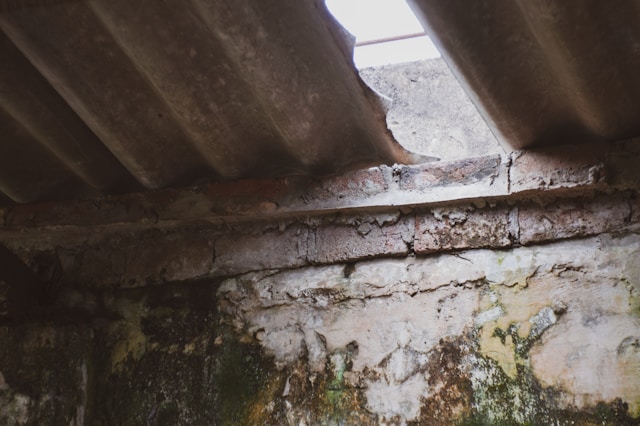
Mold is one of those household problems that seems manageable—until it isn’t. You scrub it off the bathroom tiles, spray
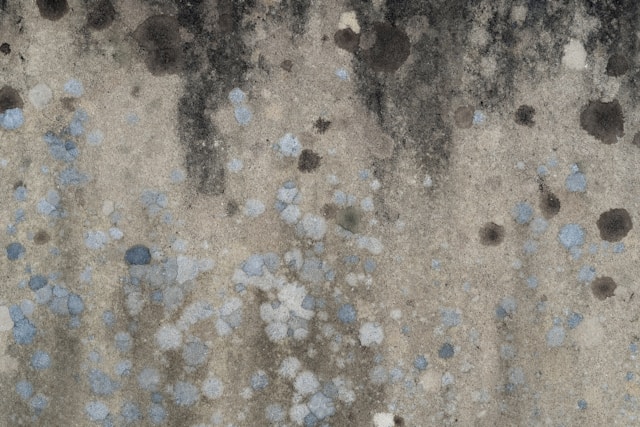
TL;DR: Mold thrives in high-moisture areas like bathrooms, kitchens, and basements. Effective removal requires identifying the mold type, using the
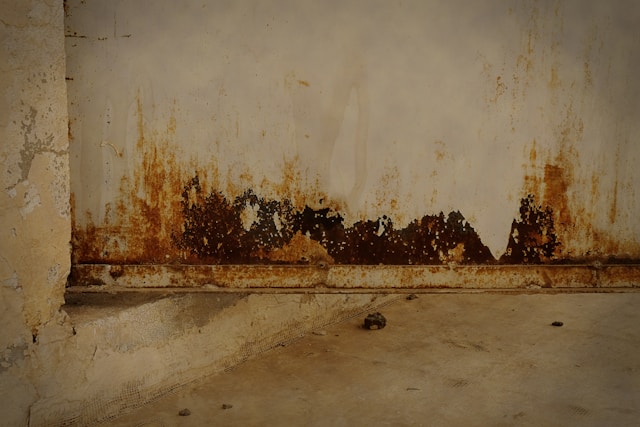
TL;DR: Singapore’s year-round humidity (averaging 80–90%) makes homes highly vulnerable to mold growth. The most effective approach combines prompt removal
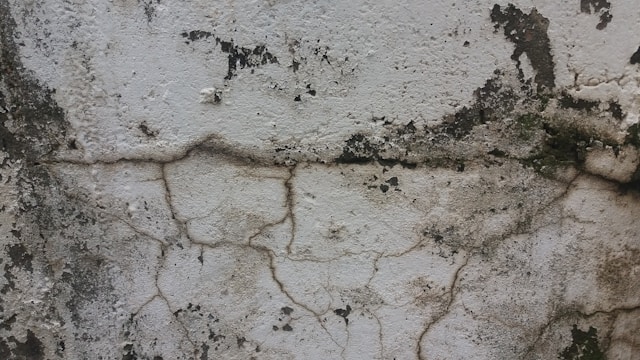
TL;DR: Removing mold without addressing the moisture source that caused it guarantees regrowth. Effective mold remediation requires identifying and eliminating
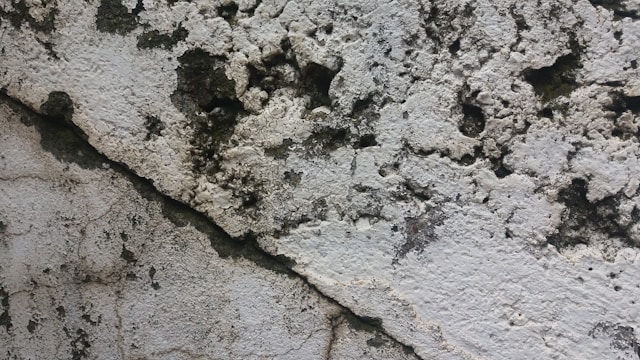
TL;DR: Mold keeps coming back when the root cause—moisture—goes unaddressed. Common mistakes include skipping protective gear, using bleach on porous