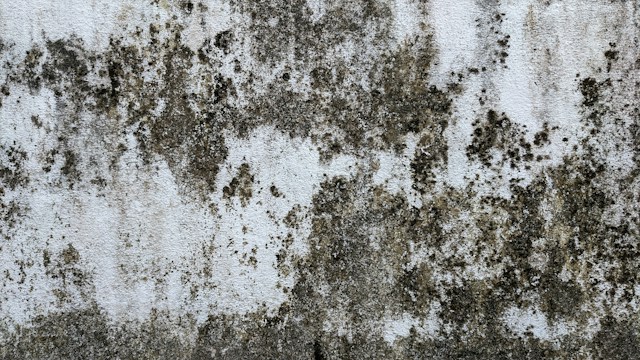
10 Mold Removal Situations That Can Reveal Bigger Problems Behind Your Walls and Fixtures
Quick answer: Mold on drywall, around windows, under sinks, or near HVAC vents often signals hidden water damage, structural rot,

Quick answer: Mold on drywall, around windows, under sinks, or near HVAC vents often signals hidden water damage, structural rot,
Quick answer: Recurring indoor dampness usually points to a hidden moisture source rather than a one-time spill. To find it,
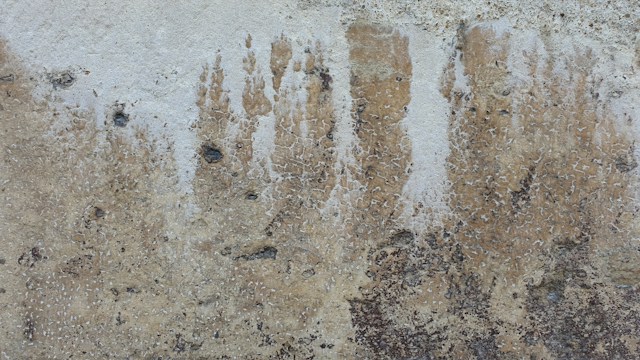
Quick answer: Finding mold in multiple rooms means inspecting your entire home for a shared moisture source, isolating each affected
Quick answer: Mold often grows undetected behind furniture, fixtures, and stored items because these objects block airflow, trap moisture, and
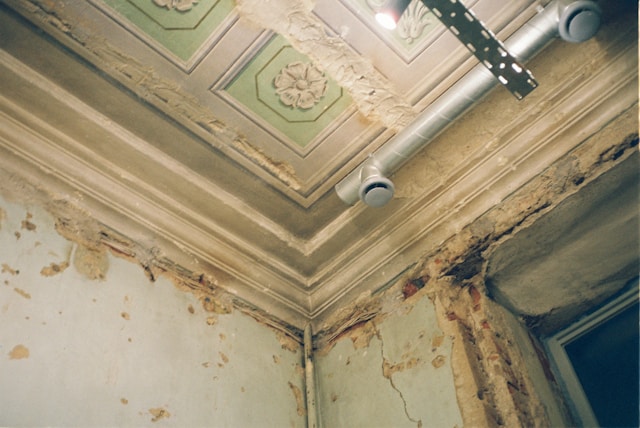
Quick answer: Singapore’s tropical climate, with humidity levels often exceeding 80%, creates ideal conditions for mold growth in homes and
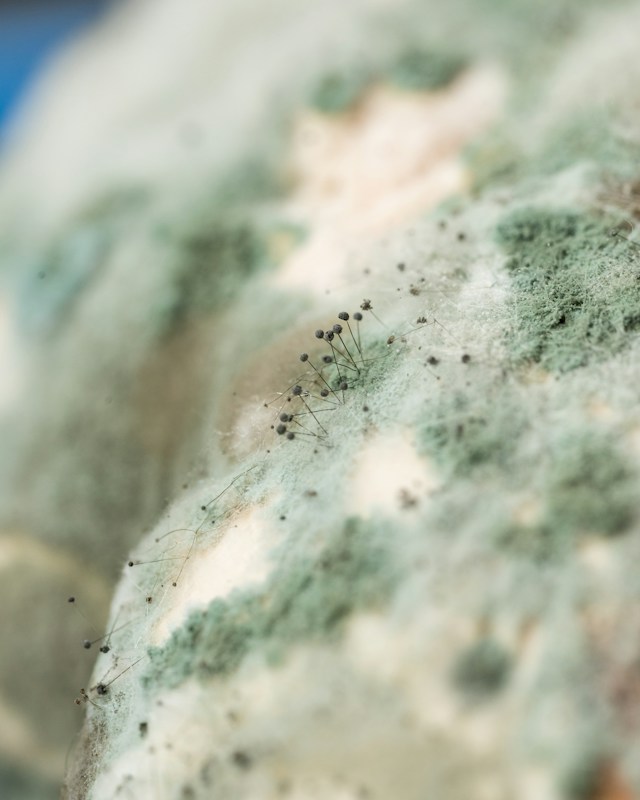
Quick answer: Mold rarely shows up without a reason. The color, location, shape, and smell of mold growth often point
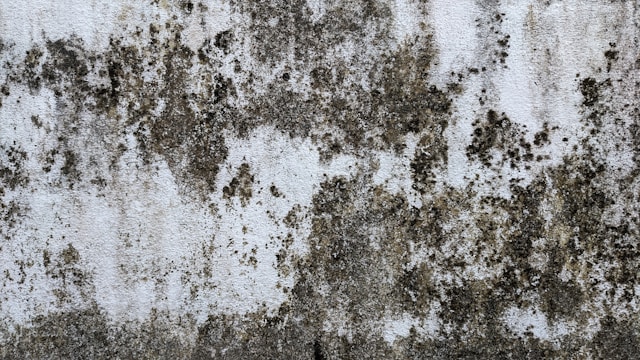
Quick answer: Effective mold removal goes beyond wiping away a visible patch. It requires identifying the moisture source, assessing hidden
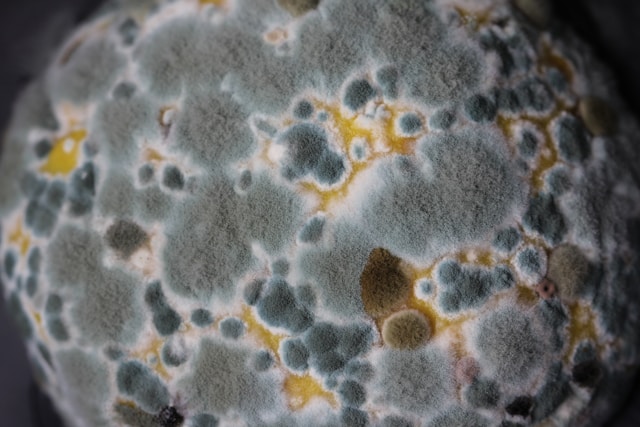
Quick answer: Persistent musty odors usually mean mold is growing somewhere out of sight, not in the areas people typically
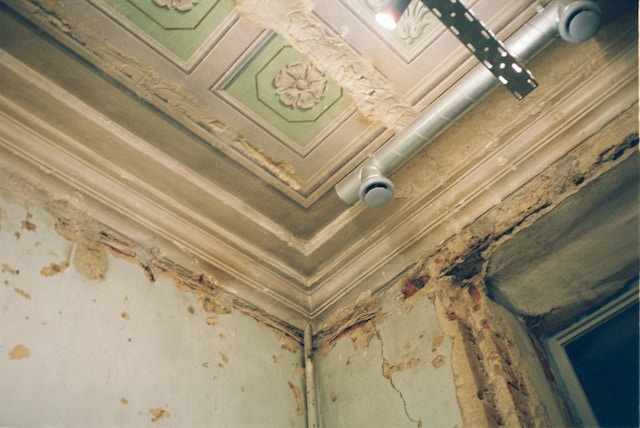
Quick answer: The most common mold removal mistakes include cleaning visible mold without fixing the underlying moisture source, using bleach
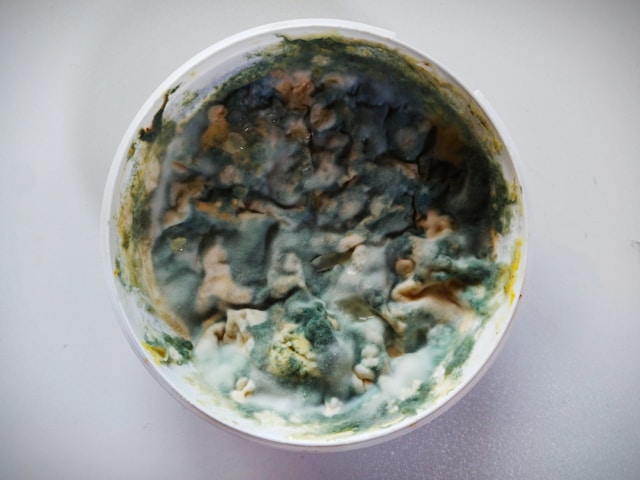
Mold on a wall or ceiling is easy to dismiss as a surface issue—something a scrub brush and a bottle